 professionaltrainingcourses.co.uk
Junior Project Manager vs Senior Project Manager - Key Differences

What Separates a Junior from a Senior Project Manager?
The core difference is scope of accountability. A junior project manager typically owns a defined slice of work, often a single workstream or a small standalone project, under the guidance of a more experienced lead. A senior project manager owns the entire delivery cycle, from initial brief through to benefits realisation, and is personally accountable for outcomes rather than just activities.
This distinction shapes every aspect of the role: the complexity of work assigned, the stakeholders involved, the size of budgets controlled, and the expectations placed on the individual's judgement. Neither role is a stepping stone to be hurried through. Each demands a genuinely different skill set.

Day-to-Day Responsibilities
Junior Project Manager Responsibilities
A junior project manager focuses on structured, process-driven tasks. Maintaining project logs, chasing action owners, preparing status reports, and coordinating meeting agendas are common daily activities. Much of the role involves learning how experienced colleagues approach risk, change, and stakeholder conflict, while contributing meaningfully to live delivery.
Most junior PMs work inside an established methodology such as PRINCE2 or Agile, applying the process rather than designing it. They are rarely the person negotiating timelines with a director or defending a business case to a steering board. That exposure comes gradually, as confidence and credibility build.
Senior Project Manager Responsibilities
A senior project manager sets the approach rather than follows one. They assess which methodology suits a given project, shape the governance structure, and make judgement calls when plans need to change. Sponsor relationships, budget sign-off conversations, and cross-departmental dependency management all sit with this person.
Senior PMs often mentor juniors directly and are expected to identify risks before they materialise rather than escalate them after the fact. On larger programmes, a senior PM may manage a team that includes junior PMs, business analysts, and workstream leads. The role demands as much political intelligence as technical delivery skill.
Budget and Commercial Responsibility
Junior project managers typically work with assigned budget lines rather than controlling the total project budget. They might process purchase orders, track spend against a forecast, or flag variances to the finance lead. Direct commercial authority is limited at this stage, which is appropriate given the experience level.
Senior project managers own the full financial picture. Approving supplier invoices, negotiating contract variations, and reporting on cost performance to an executive board are routine responsibilities. On mid-sized UK projects, a senior PM might control budgets running into several million pounds. That level of commercial exposure requires both technical understanding and the confidence to push back on scope creep.

Stakeholder Complexity
The stakeholder map for a junior PM tends to be relatively contained: the immediate project team, a line manager, and perhaps one or two internal clients. Communication is important at this level, but the conversations are usually operational rather than political.
A senior PM navigates a far messier landscape. Competing priorities between departments, executive sponsors with different agendas, and external partners or regulators are all standard features of the role. Managing upwards without losing credibility, and managing expectations without overpromising, are skills built through experience rather than training courses alone.

Qualifications That Reflect the Difference
Qualifications do not define seniority on their own, but they signal structured knowledge and are often used as a shorthand by hiring managers. PRINCE2 Foundation, owned and awarded by PeopleCert, is a common starting point for junior PMs. Its exam covers 60 multiple-choice questions in 60 minutes, with a pass mark of 33 out of 60. Public scheduled courses typically cost £600–£900 per delegate.
PRINCE2 Practitioner is better suited to those stepping into senior delivery roles, requiring 68 objective test questions in 150 minutes and an open-book format using the PRINCE2 manual. Public courses run at £800–£1,200 per delegate, with combined Foundation and Practitioner packages generally priced at £1,200–£1,800.
The PMP, awarded by the Project Management Institute, sits firmly at the senior end. It requires 36 months of project management experience for degree holders (or 60 months without), plus 35 hours of formal PM education. The exam fee is approximately USD $405 for PMI members, which converts to roughly £320–£340. The APM Project Management Qualification, a regulated Level 4 qualification on the Regulated Qualifications Framework, is another respected credential for mid-to-senior level practitioners, with public courses priced at £1,000–£1,500 per delegate.
Salary Expectations
UK project manager salaries at mid-career typically sit between £45,000 and £55,000 per year, depending on sector, region, and the complexity of work managed. London-based roles generally command 15–20% above that range. Salaries at the junior end of that spectrum reflect limited autonomy and experience, while those at the upper end reflect a track record of successful delivery.
Senior project managers and programme managers earn £60,000–£80,000 per year, with infrastructure and financial services roles sometimes exceeding the top of that band. Programme manager positions, which sit above senior PM level and span multiple related projects, tend to cluster at the higher end.

How Long Does the Transition Take?
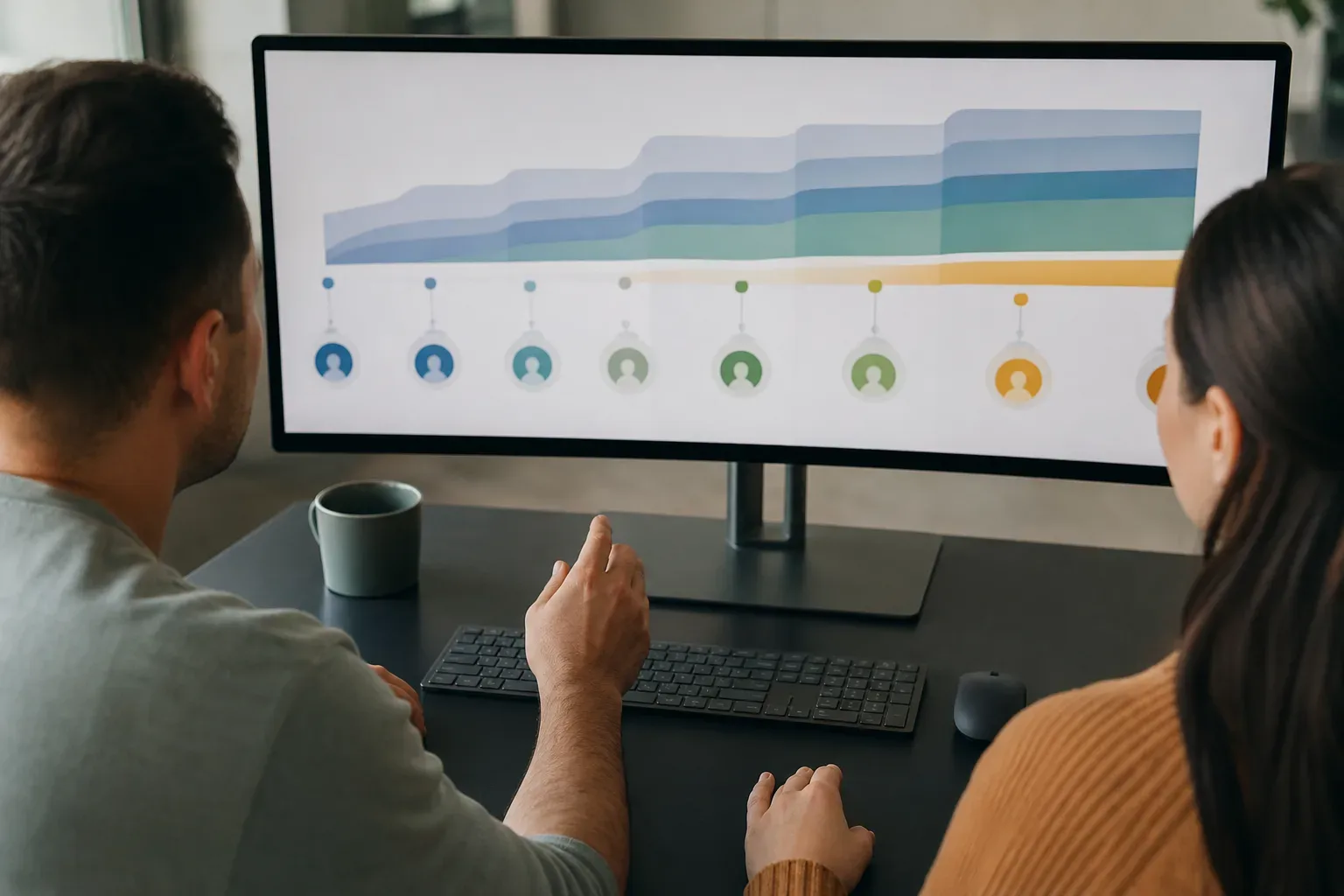
Most project managers move from junior to mid-level within two to four years, with progression to senior roles taking a further three to five years depending on the volume and complexity of projects delivered. There is no single trigger point: seniority is recognised when someone consistently demonstrates autonomous delivery, effective stakeholder management, and sound commercial judgement.
Accelerated paths exist in fast-growing sectors such as technology, infrastructure, and healthcare transformation, where demand for experienced PMs exceeds supply. Gaining a formal qualification during the junior years, actively seeking sponsor-facing opportunities, and requesting mentorship from senior practitioners all shorten the timeline in practice.
Making the Right Career Decision
Choosing between pursuing seniority quickly or deepening expertise at a junior level is a personal calculation. Rushing into senior responsibilities without the experience to back them up creates delivery risk and personal stress. Staying at junior level too long without seeking stretch assignments leaves earning potential and career development untapped.
The most effective approach is to treat each project as a deliberate learning opportunity rather than a task to be completed. Asking for feedback from senior PMs, volunteering to present to stakeholders, and studying how experienced practitioners approach ambiguity are habits that compound over time. Formal qualifications accelerate that process when combined with real project exposure.

Frequently Asked Questions
What Is the Main Difference Between a Junior and a Senior Project Manager?
The core distinction is accountability. A junior PM manages a defined workstream or small project under guidance, while a senior PM owns the full delivery cycle, including budget, stakeholder relationships, and overall outcomes.
How Much Does a Project Manager Earn in the UK?
UK project managers at mid-career typically earn £45,000–£55,000 per year. Senior and programme managers earn £60,000–£80,000, with London roles and specialist sectors such as financial services or infrastructure often paying above those ranges.
Which Qualifications Do Junior and Senior Project Managers Typically Hold?
Junior PMs often start with PRINCE2 Foundation, while senior PMs commonly hold PRINCE2 Practitioner, the PMP from PMI, or the APM Project Management Qualification. These credentials signal structured knowledge but do not replace practical delivery experience.
How Long Does It Take to Progress from Junior to Senior Project Manager?
Most project managers reach mid-level within two to four years and senior level after a further three to five years. The pace depends on the complexity of projects undertaken, the quality of mentorship available, and whether formal qualifications are pursued alongside practical experience.
Do Senior Project Managers Need a Different Qualification Than Junior PMs?
Not strictly, but certain qualifications suit particular career stages better. PRINCE2 Practitioner, the PMP, and the APM PMQ are all well-regarded at senior level because they test applied judgement and experience, rather than just knowledge of process steps.