 professionaltrainingcourses.co.uk
Waterfall vs Agile - Choosing the Right Approach
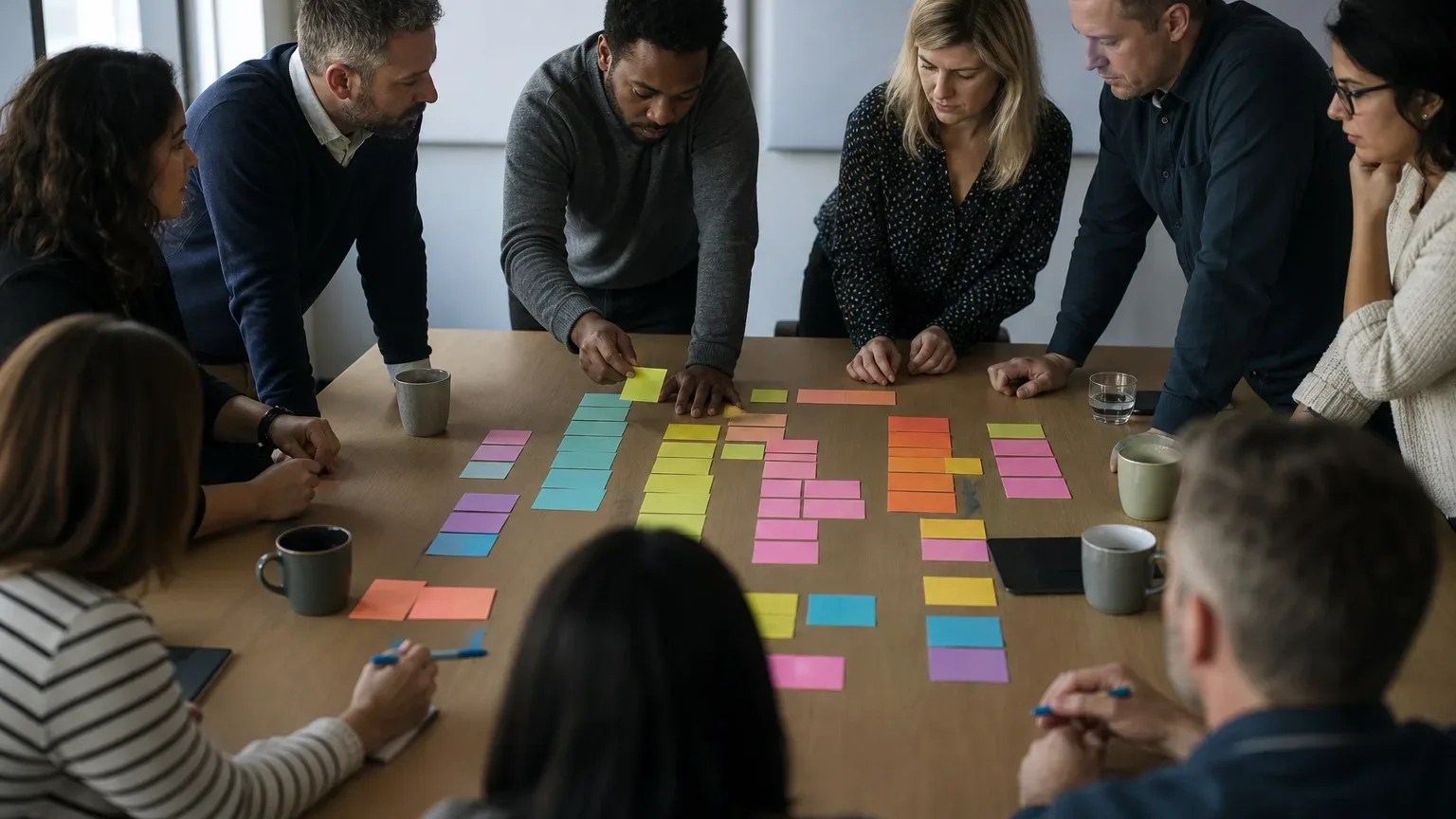
Two project management approaches dominate most planning conversations: Waterfall and Agile. Each has a distinct philosophy about how work should be organised, sequenced, and delivered. Picking the wrong one for your project does not just slow you down, it can cause rework, budget overruns, and missed expectations. Understanding both clearly is the fastest route to a sensible decision.
How Waterfall Works
Waterfall is a linear, sequential methodology. Each phase must be completed and signed off before the next one begins, moving the project forward in a single direction, like water flowing downhill. Requirements are captured fully at the start, and the final deliverable appears at the end of the process.
This front-loaded structure suits projects where the scope is fixed and changes are expensive. Construction, manufacturing, and regulated industries lean heavily on Waterfall because the cost of altering a building's foundations mid-build is vastly higher than updating a software screen.
The Five Phases of Waterfall
Waterfall is typically broken into five sequential phases. Requirements gathering comes first, where the entire scope is documented before any work begins. Design follows, translating requirements into detailed technical or functional specifications. The implementation phase is where the actual build happens.
Testing then validates the output against the original requirements. Finally, deployment and maintenance hand the product to the end user and address any post-launch issues.
Each phase produces formal documentation that feeds the next. That paper trail is valuable in highly regulated environments where audit trails matter.
How Agile Works
Agile is an iterative framework built around short delivery cycles called sprints, usually one to four weeks long. Rather than defining everything upfront, teams work from a prioritised backlog, delivering working increments frequently and incorporating feedback at each cycle. The scope can shift as the project progresses.
Scrum and Kanban are two of the most widely used Agile frameworks. Both prioritise collaboration, flexibility, and continuous improvement over comprehensive documentation. Teams hold short daily check-ins, and stakeholders review working output at the end of every sprint, not just at project close.

Advantages of Agile in Project Management
Agile reduces the risk of building something nobody wants. Frequent delivery cycles mean stakeholders see real progress early, provide feedback, and steer the product in the right direction before too much effort has been spent on the wrong path.
Teams also adapt more readily to changing requirements. Market conditions shift, user needs evolve, and business priorities move, Agile accommodates that movement without requiring a full project restart. Issues surface quickly through retrospectives rather than being buried until the final testing phase. That faster feedback loop tends to produce higher-quality outcomes and more engaged teams.
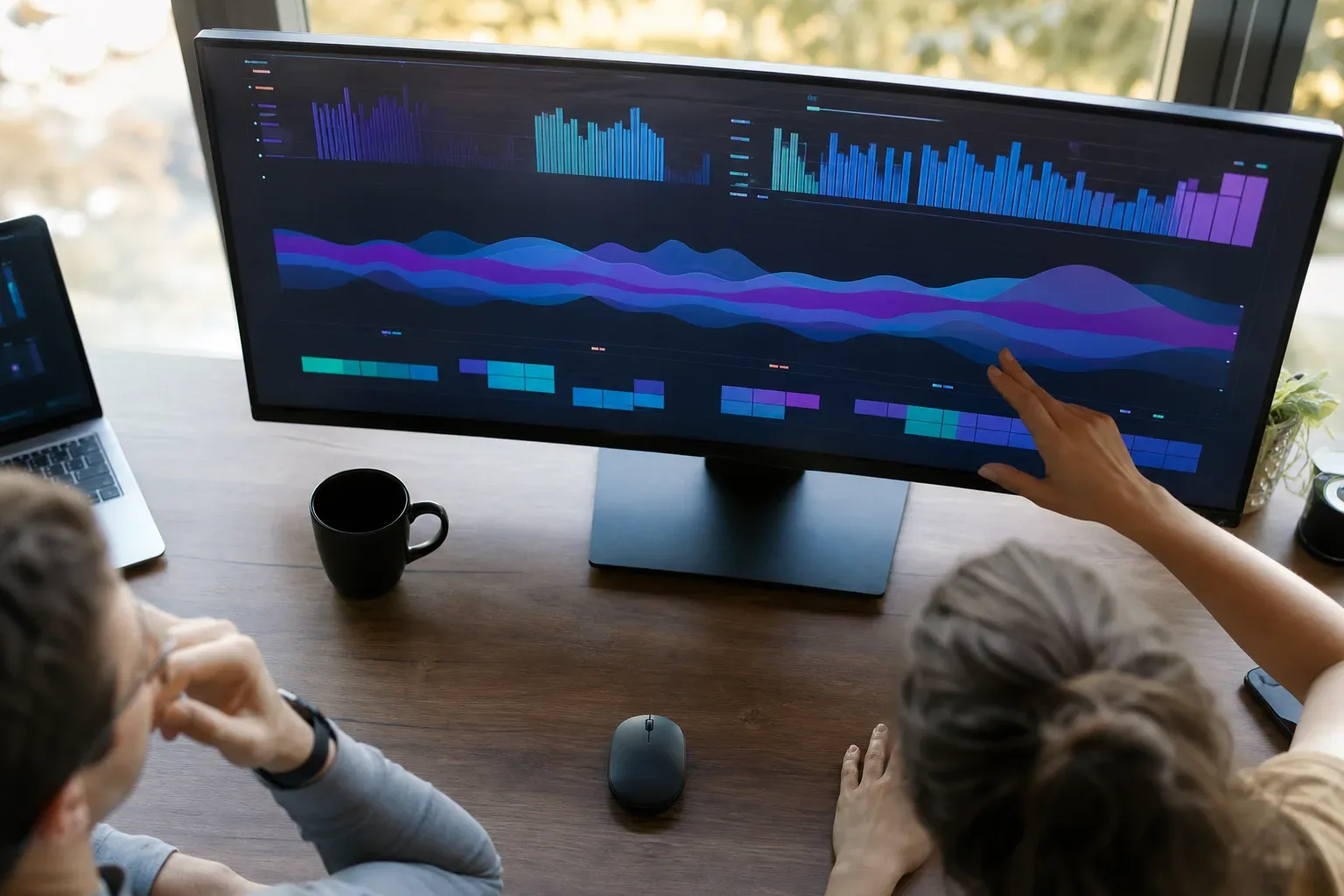
Waterfall vs Agile - Which Is Better?
Neither is universally better; the right answer depends entirely on the nature of your project. Waterfall excels when requirements are clear, stable, and well-documented from day one. Agile performs better when requirements are likely to evolve, the end goal is not fully defined, or speed-to-market matters.
A government infrastructure project with legally fixed specifications, a defined budget approved by committee, and a hard completion deadline is a reasonable candidate for Waterfall. A consumer mobile app where user research is still in progress, features are being tested against real behaviour, and the market could shift mid-build suits Agile far more naturally.
Some organisations adopt a hybrid model, using Waterfall for high-level planning and governance while applying Agile delivery methods to individual workstreams. This is common in large programmes where certain components are fixed but others need flexibility.

When to Choose Waterfall Over Agile
Waterfall is the stronger choice when the cost of change is prohibitively high. Physical construction, hardware manufacturing, and pharmaceutical development all involve processes where altering a decision made three months ago can cost significantly more than getting it right at the start.
Projects with external dependencies also benefit from Waterfall's structured sequencing. If your project requires regulatory approval at defined stages, or if a third-party supplier needs a completed specification before they can begin work, the rigid phase gates of Waterfall align with that reality. Contract types matter too: fixed-price contracts with clearly defined deliverables map directly onto Waterfall logic.
Waterfall also suits teams with limited project management experience. The clear structure, defined documentation requirements, and linear progression reduce ambiguity and give less experienced teams a reliable framework to follow.
The Downsides of Waterfall
Waterfall's greatest strength, its rigid structure, is also its most significant weakness. If requirements are captured incorrectly at the start, the entire downstream process inherits that error. By the time testing reveals the problem, substantial rework may already be needed.
Stakeholders often do not see working output until late in the project lifecycle. That delay means misunderstandings about what was agreed can persist for weeks or months before anyone notices. Customer needs may also change meaningfully during a long Waterfall delivery cycle, leaving the final product out of step with what the business actually needs.
Documentation overhead is another practical concern. Maintaining detailed specifications across every phase consumes time and resource. For smaller projects, that overhead can outweigh the structural benefits Waterfall provides.
Choosing the Right Approach for Your Project
Three questions sharpen the decision considerably. First, how stable are your requirements? If stakeholders genuinely cannot define what done looks like, Waterfall will struggle from day one. Second, how often do you need to deliver value?
A product that must generate user feedback or revenue quickly needs Agile's iterative rhythm. Third, how heavily regulated is your environment? Compliance-driven industries often require the documented audit trail that Waterfall produces by default.
Team composition matters as well. Agile asks team members to collaborate intensively, make decisions at the working level, and tolerate ambiguity. Waterfall asks for discipline in following a defined plan. Neither is easier, they demand different skills and different organisational cultures to work well.
Project managers who understand both approaches are genuinely more employable. Certifications like PRINCE2 (owned and awarded by PeopleCert) provide rigorous grounding in structured project delivery, while Agile training builds the adaptability that most modern workplaces now expect. Carrying both skill sets lets you match your approach to your project rather than forcing every project into the same template.
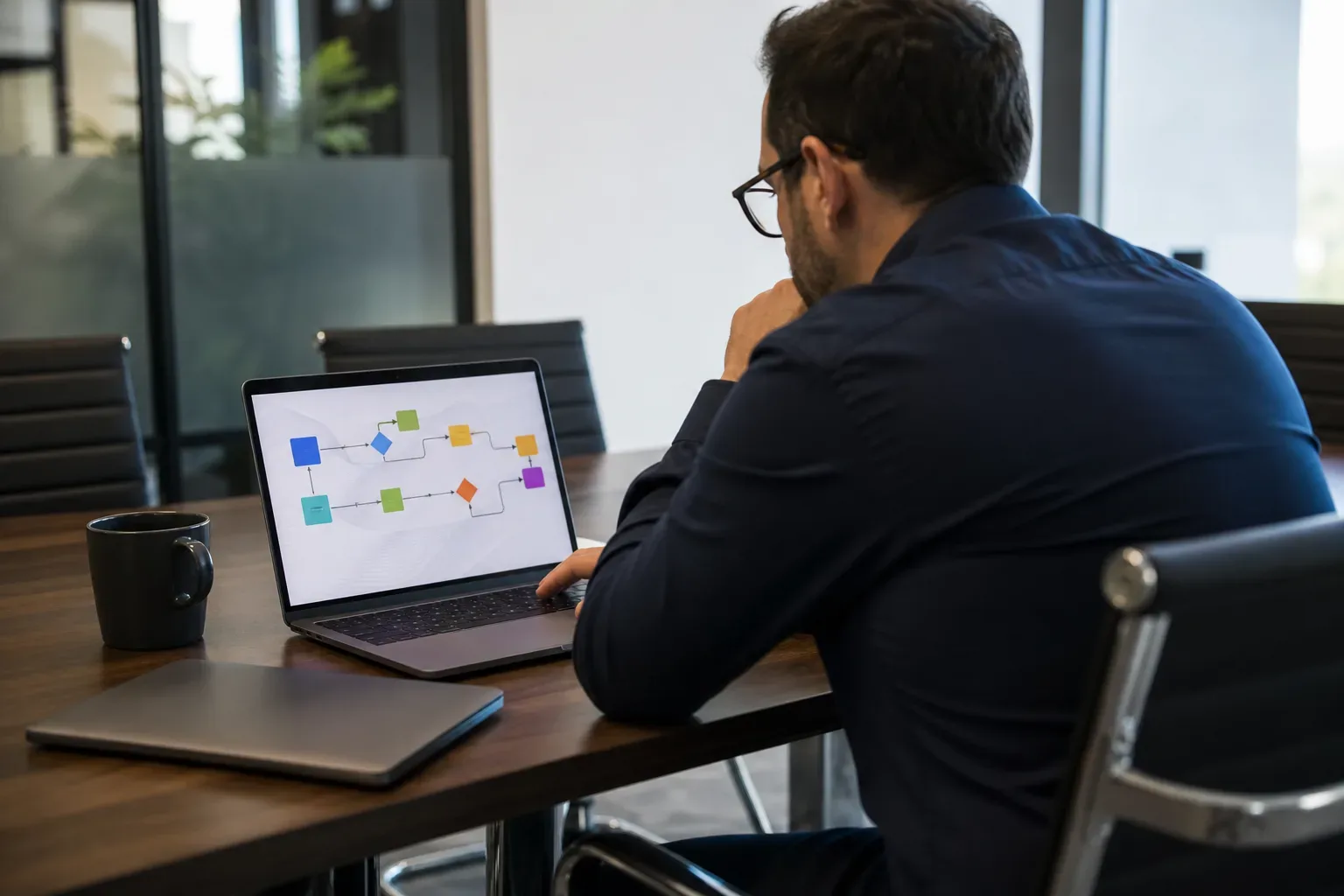
Frequently Asked Questions
What Are the Advantages of Using the Agile Methodology in Project Management?
Agile's core advantages centre on flexibility and early visibility. Working in short delivery cycles means stakeholders see real, usable output frequently rather than waiting until project close. Feedback can be incorporated quickly, reducing the risk of building a product that no longer matches what the business or end user needs. Teams also surface problems sooner through regular retrospectives, which limits the cost and disruption of fixing issues late. For projects where requirements are likely to evolve, that adaptability is a significant practical benefit.
What Are the 5 Phases of Waterfall Project Management?
Waterfall moves through five sequential phases, each completed before the next begins. The first is requirements gathering, where the full scope is defined and documented. Design follows, turning those requirements into detailed specifications. Implementation is the build phase, where the actual product or system is created. Testing then validates the output against the original requirements.
Finally, deployment and maintenance deliver the finished product to end users and address any post-launch issues. Each phase typically produces formal documentation that informs the next stage.
Is Waterfall or Agile Better?
Neither is universally superior. Waterfall works best when requirements are fixed, the cost of change is high, and a detailed audit trail is needed, as in construction, manufacturing, or regulated industries. Agile suits projects where requirements are still evolving, speed-to-market matters, or frequent stakeholder input is valuable, such as software development or product design. The practical question is always about your specific project context: how stable is the scope, how often do you need to deliver value, and how much regulatory documentation does your environment require?
When Should I Use Waterfall Instead of Agile Methodology?
Waterfall is the better fit when the cost of changing decisions mid-project is prohibitively high. Physical construction, hardware development, and pharmaceutical trials all carry that characteristic. Projects governed by fixed-price contracts with clearly defined deliverables also align naturally with Waterfall's structure. If your project has external dependencies that require a completed specification before a supplier or regulator can proceed, Waterfall's sequential phase gates match that reality well. Smaller teams with less project management experience often also find Waterfall's clear structure easier to follow consistently.
What Are the Downsides of the Waterfall Model?
Waterfall's biggest risk is that errors introduced during requirements gathering travel through every subsequent phase unchallenged. Stakeholders often do not see working output until late in the project, so misunderstandings can persist for a long time before anyone identifies them. If customer needs shift during a lengthy delivery cycle, the finished product may no longer match what the business actually requires. Documentation overhead is another practical concern: maintaining detailed specifications at every phase consumes real time and resource, which can be disproportionate on smaller or faster-moving projects.